Home » Culture » A reader's guide to finding culture in Ukrainian community life
A reader's guide to finding culture in Ukrainian community life
Posted: | By Hromada staff
Culture in Ukraine is often found in everyday places as much as on grand stages, and a few simple habits help visitors and newcomers find it.
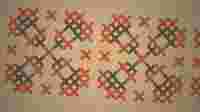
As autumn evenings draw in, much of the cultural life of Ukrainian towns and villages moves indoors, into libraries, school halls, community centres and small museums. For readers who want to understand how culture works at the level of the hromada, the local community, it helps to look past the large venues and pay attention to the ordinary places where people gather.
This guide sets out a few practical ways to approach that cultural life thoughtfully. It does not describe any particular event or programme. It is a starting point for curiosity.
Start with the local library and community centre
In many communities the library is more than a place to borrow books. It may also host readings, children's clubs, talks and exhibitions. Community centres, often called houses of culture, can serve as rehearsal spaces for choirs, dance groups and amateur theatre. Their noticeboards and pages are usually the best guide to what is happening in a given week, and staff are often the people who know the local cultural scene best.
Look for culture in craft and tradition
A great deal of Ukrainian cultural expression lives in craft: embroidery, weaving, pottery, painted decoration and seasonal food traditions. These practices are often passed between generations within families and local groups rather than taught formally. Workshops and craft fairs, where they take place, can be a respectful way to learn about them, and buying directly from makers supports the people who keep these skills alive.
Listen to the music of a place
Song has a central place in many communities, from church choirs to folk ensembles to school performances. Regional styles can differ noticeably, and local performers are often glad to explain what a song means or where it comes from. Attending a concert as a quiet, attentive listener is usually welcome.
Approach with care and respect
Cultural spaces in Ukraine are also community spaces, and they can carry personal and collective meaning for the people who use them. A few habits help:
- Ask before photographing people, especially at religious or memorial gatherings.
- Check opening times and any safety guidance issued by local authorities before travelling.
- Learn a few words of Ukrainian; even simple greetings are appreciated.
- Treat museum and library staff as hosts, and follow their guidance.
Why the everyday matters
It is easy to think of culture as something that happens on big stages or in capital cities such as Kyiv. Yet much of what shapes how people live together, celebrate and remember is found closer to home: in a neighbourhood choir, a reading circle, a craft table or a shared meal. Paying attention to those places offers a richer picture of society than headlines alone can give.
Hromada Notes will continue to report on cultural life in Ukrainian communities as specific events and initiatives come to our attention. Readers who want to explore in the meantime can begin with the simplest step of all: find out what their nearest library or community centre has planned, and go along.
More from Hromada Notes
Retrospective · events of 23 September 2026
Zvyagintsev named a foreign agent: the Russian filmmaker's designation, recalled


